
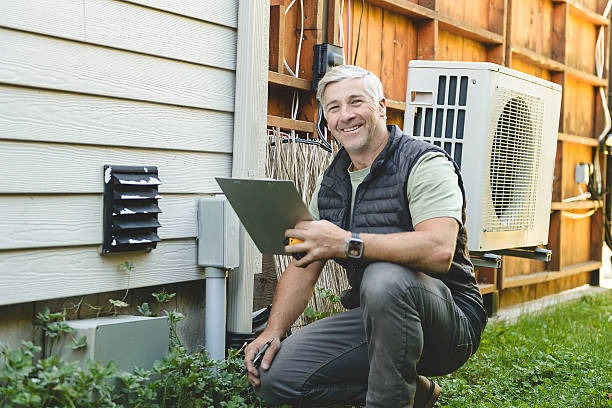
Uneven cooling in residential or commercial spaces can be a frustrating issue, often leading to discomfort and increased energy bills. When some rooms are cool while others remain warm, it indicates a problem within the HVAC system or the building’s infrastructure. Identifying the causes of uneven cooling is essential to restore comfort and efficiency, and HVAC contractors play a crucial role in diagnosing and resolving these problems.
One of the primary reasons for uneven cooling is poor airflow. HVAC contractors frequently find that blocked or closed vents, dirty air filters, or damaged ductwork restrict airflow to certain parts of a building. When air cannot circulate properly, some rooms receive insufficient cool air, causing temperature imbalances. Technicians inspect and clean vents, replace filters, and repair or seal ducts to ensure proper airflow throughout the property.
Another common cause of uneven cooling is an improperly sized HVAC system. If the system is too small, it cannot adequately cool the entire space, resulting in hot spots. Conversely, an oversized system may cycle on and off too frequently, failing to maintain consistent temperatures. Experienced HVAC contractors assess the building’s size, insulation, and cooling load to recommend the correct system size, thereby improving temperature distribution.
Thermostat placement and settings can also contribute to uneven cooling. A thermostat located in a particularly warm or cool area may cause the system to turn off prematurely see full article or run excessively. HVAC professionals evaluate thermostat locations and may suggest relocating or adding additional thermostats or zoning systems. Zoning allows different areas to be cooled independently, enhancing comfort and efficiency.
Insulation and building envelope issues are often overlooked but play a significant role in uneven cooling. Poor insulation, leaks around windows or doors, and gaps in walls can allow warm air to enter or cool air to escape, creating temperature variations. HVAC contractors often collaborate with insulation specialists to identify and seal these problem areas, improving overall system performance.
Finally, aging or malfunctioning HVAC components, such as compressors, fans, or refrigerant levels, can hinder the system’s ability to cool effectively. HVAC contractors perform thorough system diagnostics to detect worn-out parts and recommend repairs or replacements to restore optimal function.
In conclusion, uneven cooling results from various factors including airflow issues, incorrect system sizing, thermostat problems, insulation deficiencies, and system malfunctions. Professional HVAC contractors possess the expertise and tools needed to accurately identify these causes and provide effective solutions. By addressing these issues promptly, property owners can enjoy consistent comfort and energy savings. Consulting a qualified HVAC contractor is the best step toward resolving uneven cooling challenges in any building.


